History of The Auditorium: Chapter 12
2000–2010
A Decade of Growth and Momentum
The first decade of the 2000s was all about solidifying the Auditorium Theatre’s identity, expanding its programming, and laying the groundwork for bigger things to come. By 2000, the theatre wasn’t the “new kid” anymore—it had reopened in 1967 and weathered decades of change.
The 2000s came with their own set of opportunities and challenges:
- Chicago’s Loop and theatre district were revitalizing, and venues like The Auditorium were increasingly seen as downtown cultural anchors.
- Historic theatres had to balance preserving their beautiful architecture with upgrading for modern production needs—think lighting, rigging, and audience amenities.
- Audience expectations were changing: Broadway musicals, touring concerts, and large-scale shows were popping up in all sorts of venues, and people expected quality experiences no matter where they went.
Through it all, the Auditorium stayed a go-to spot for big touring musicals and long-run shows. Even though some blockbuster productions like Phantom of the Opera, Les Misérables, and Miss Saigon were technically from the 1990s, their influence carried forward, helping cement the theatre’s reputation as a premier destination in the Loop.
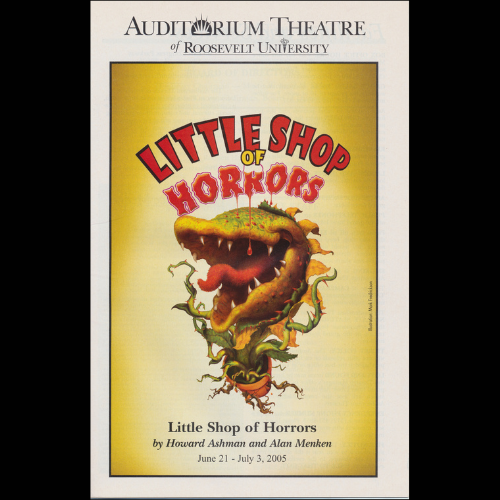
It wasn’t just about the big shows. The theatre continued to embrace community, education, and international performances. In 2005, Hearts To Art was established as the theatre’s tuition-free fine arts bereavement camp! This unique performing arts camp brings together kids who have experienced the death of a parent by using the power of creative play, campers learn to work through their grief and find community.
Building the Foundation
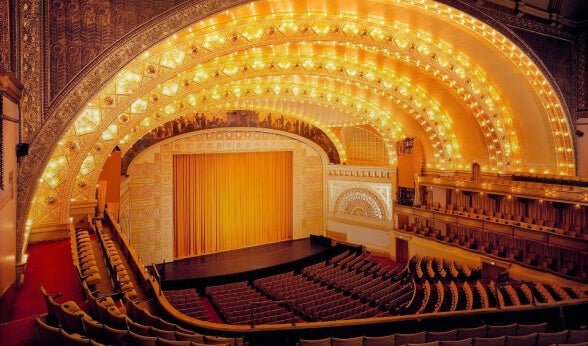
The 2000s were also a decade of major restoration and infrastructure investment. Starting in 2001, the theatre undertook a serious restoration, bringing back original colors, plaster, and decorative finishes. Later improvements included stage block reconstruction, expanded orchestra pits, upgraded backstage support, and HVAC modernization. These upgrades made the venue more versatile and ready to handle both historic performances and modern productions.
At the same time, the theatre faced strategic challenges:
- Competition was heating up in Chicago’s theatre district, with new and old venues vying for touring shows.
- Audience habits were shifting, with digital media changing how people spent their leisure time.
- Preservation and modernization were expensive, requiring careful long-term planning.
Despite the challenges, the Auditorium balanced heritage and relevance beautifully. It reinforced its identity as a “living” venue, not just a preserved relic, and set the stage for future landmark events, including the 2015 NFL Draft.
Highlights by Year
- 2000 – Pop duo Savage Garden rocked the theatre on August 18.
- 2001 – Major restoration began, including plaster, gilding, and decorative finishes.
- 2002–2003 – Infrastructure upgrades: stage reconstruction, expanded orchestra pit, backstage improvements, HVAC relocation.
- 2003 – Touring musicals, like The Sound of Music, filled the stage.
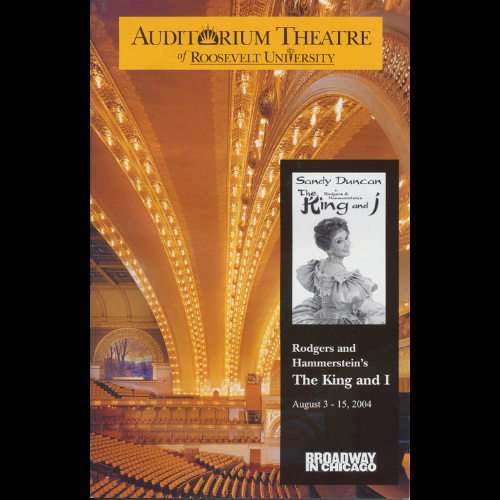
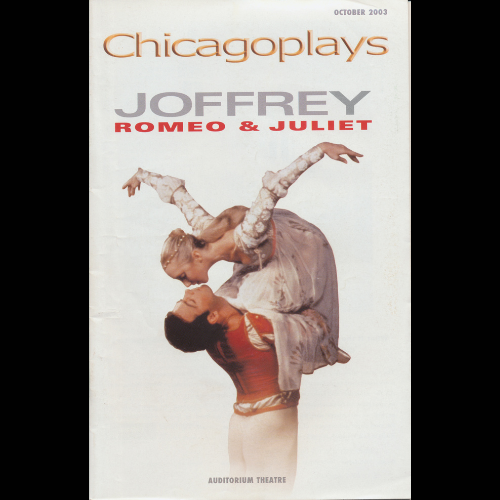
- 2004 – Joffrey Ballet winter repertory, Erykah Badu with Floetry, and the Indigo Girls toured through.
- 2006 – “Too Hot to Handel” in January, Sheryl Crow in February, and more dance and concert events.
- 2008 – The Smashing Pumpkins played on November 21.
- 2010 – By decade’s end, the theatre emerged with refreshed infrastructure, preserved historic architecture, and a diverse lineup of programming, ready for the next era.
The 2000s were a decade of steady growth, adaptation, and preparation. By investing in both the building and the programming, the Auditorium Theatre positioned itself for the high-profile events and community-focused initiatives that would define the 2010s and beyond.