History of The Auditorium: Chapter 10
1970-1980
Historic Space, Rock n’ Roll Heart
By the end of the 1960s, the Auditorium had been lovingly restored and reopened, ready for a new era. In the early 1970s, something exciting began to happen: the theatre evolved from an exclusively classical and ballet venue into a place where rock, soul, and jazz could feel right at home. Chicago’s downtown Loop district was shifting, and the Auditorium moved with the times—becoming part of the city’s vibrant cultural pulse.
When Rock Met the Gilded Hall
One of the most memorable stories from this era involves the legendary Grateful Dead. They played the Auditorium multiple times between 1971 and 1977. For instance:
- On August 24, 1971, the Dead took the stage here, crafting set‑lists that included “Big Railroad Blues,” “China Cat Sunflower > I Know You Rider,” “Truckin’ … Johnny B. Goode” and more.
- On June 28, 1976, the band delivered a tight and celebrated show featuring “Scarlet Begonias > The Wheel” and “U.S. Blues” in the encore.
- On May 12, 1977, The Auditorium hosted another epic Dead show, with set‑lists including “Bertha,” “Me & My Uncle,” “Terrapin Station,” and “Not Fade Away.”
Black Sabbath, Cat Stevens, and more can be found in our listing on our show listing page which is incomplete ahnd always been updated!
- On January 16 1971, Neil Young played the theatre, and a set‑list captured on setlist.fm includes songs like On the Way Home, Tell Me Why, Old Man, The Needle and the Damage Done.
- On May 28, 1971, Frank Zappa & the Mothers of Invention
- The venue’s show list for 1972 includes acts like James Brown (Jan ’72) and rock acts like Deep Purple with Buddy Miles.
These shows illustrate how The Auditorium could so naturally switch gears: a gilded, historic opera‑house meets a high‑energy, improvised jam session. Fans who were there remember the feeling of contemporary music echoing in a space built for different times—and loving it. Though detailed set‑lists for all shows are harder to track, the pattern is clear: the Auditorium embraced more than just classical or dance—it embraced the full spectrum of live performance.
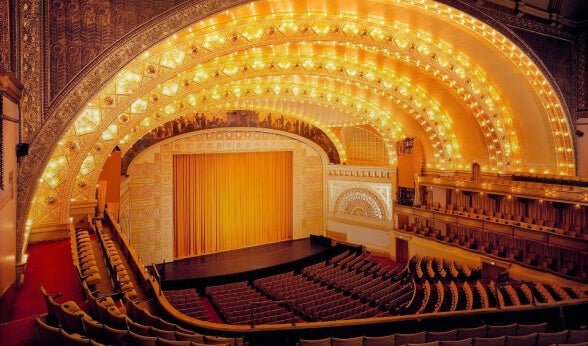
What made this transformation feel so seamless? The theatre itself was up to the task. Its trumpet‑like shape and excellent acoustics (originally designed for orchestral and spoken‑word performances) were surprisingly well‑suited for amplified, high‑energy shows. For audiences, the contrast was part of the thrill: attending a rock concert in a historic, ornament‑laden opera house felt unique. It added a sense of occasion. For performers and fans alike, the Auditorium offered something special—a blend of the grandeur of the past and the electric energy of the present.
Not Without Its Headaches
Of course, the 1970s weren’t simply a walk in the park. Hosting rock shows in a historic venue meant facing:
- Technical and logistical challenges: stage rigging built for classical sets had to adapt to rock rigs; acoustics had to handle amplified instruments and big crowds.
- Preservation demands: a landmark building still needed upkeep, reinvestment, and thoughtful upgrades so its beauty and integrity wouldn’t be compromised.
- A changing market: as music audiences evolved, and as touring shows became bigger and more demanding, venues like the Auditorium needed to stay competitive and relevant.
The rock‑and‑roll years of the 1970s did more than just fill seats. They helped redefine the Auditorium’s identity. No longer simply a preserved piece of architecture, the venue became a living part of Chicago’s musical story—and laid the groundwork for the impressive expansion and programming leaps of the coming decades.
The Auditorium was added to the National Register of Historic Places on April 17, 1970. Then five years later, it was declared a National Historic Landmark. Additionally, in 1976 it became a Chicago city landmark. What a big decade for our building!
For anyone curious about Chicago’s musical and architectural history, the 1970s chapter at the Auditorium is gold: historic space meets modern spectacle; opulence meets grit; tradition meets transformation.
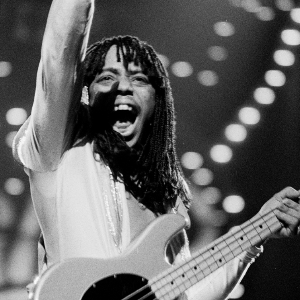
Rick James, 1979 [photo by Paul Natkin]
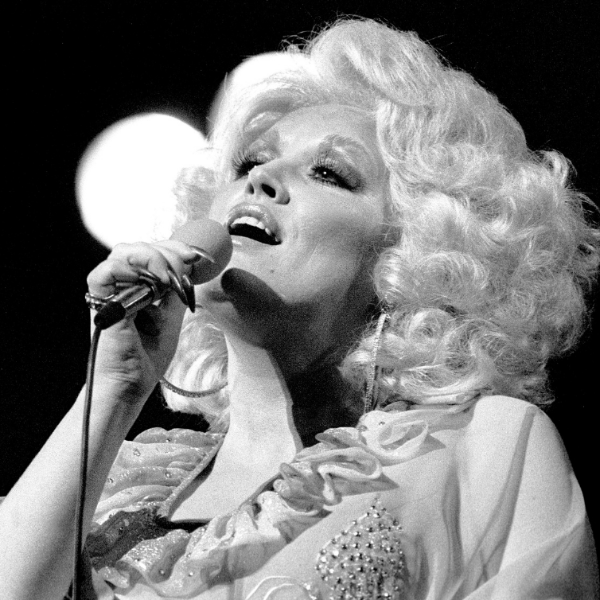
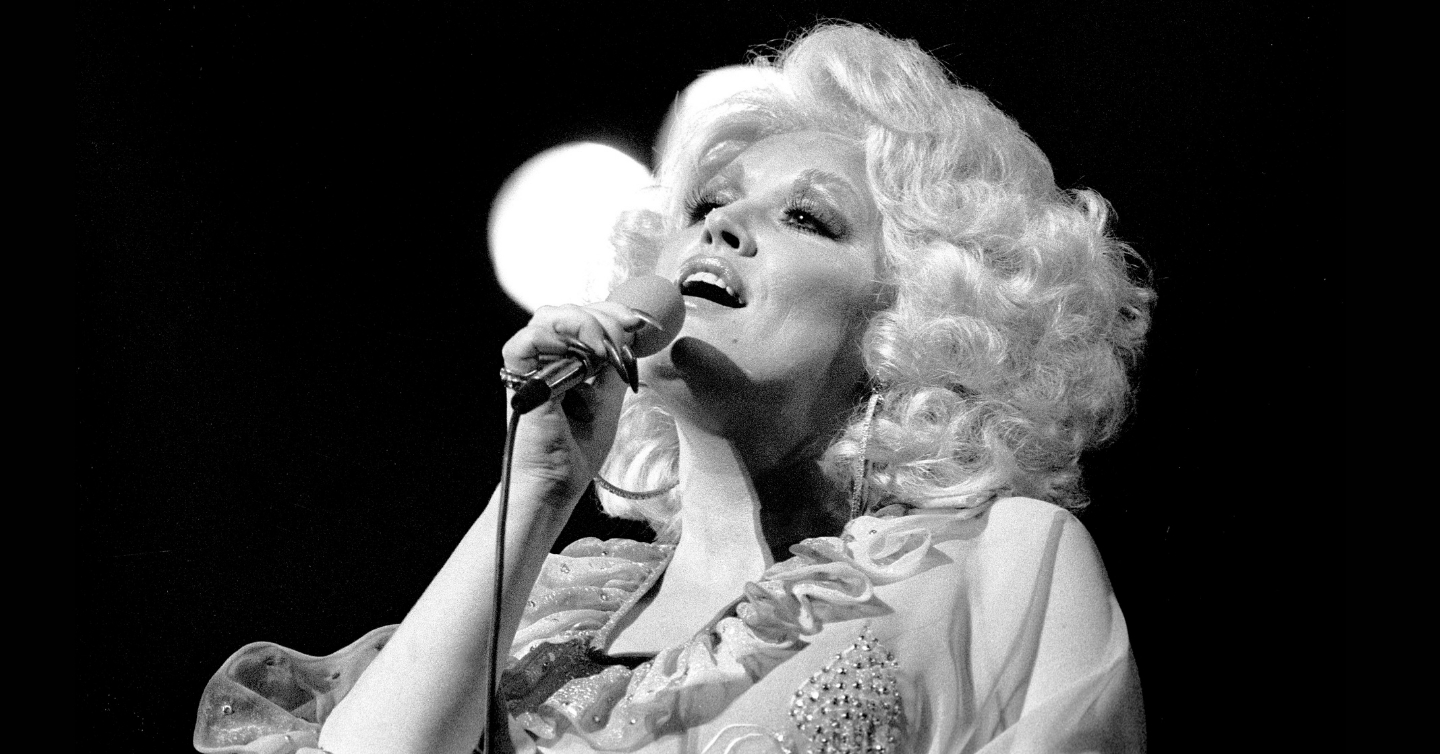
Dolly Parton, 1977 [photo by Paul Natkin]
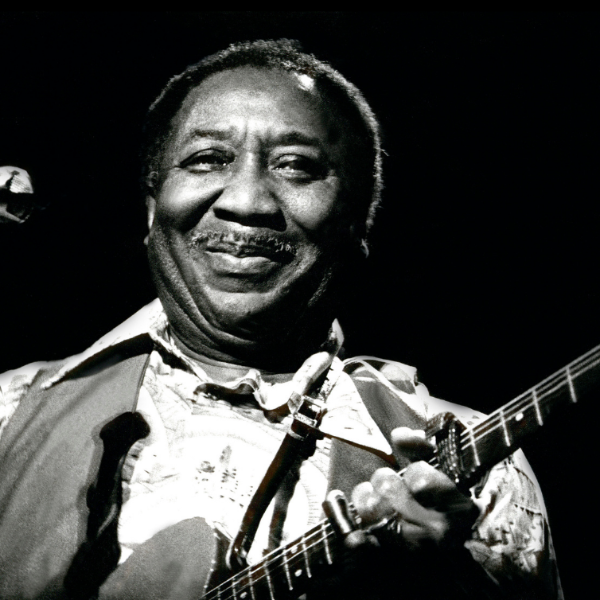
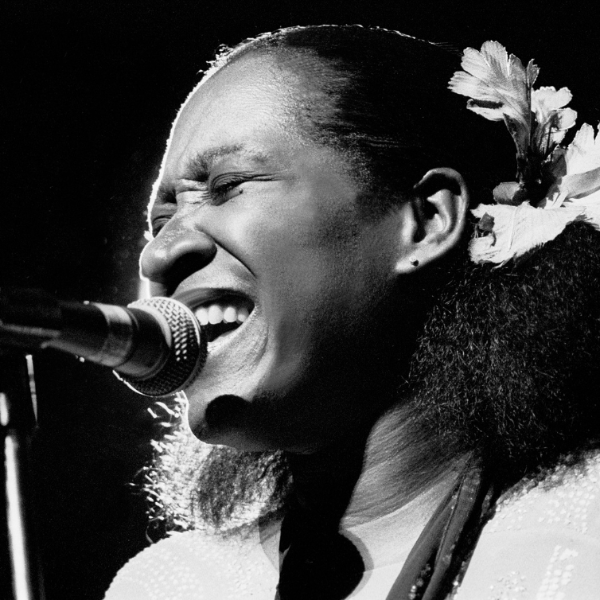
Muddy Waters, 1977 [photo by Paul Natkin]
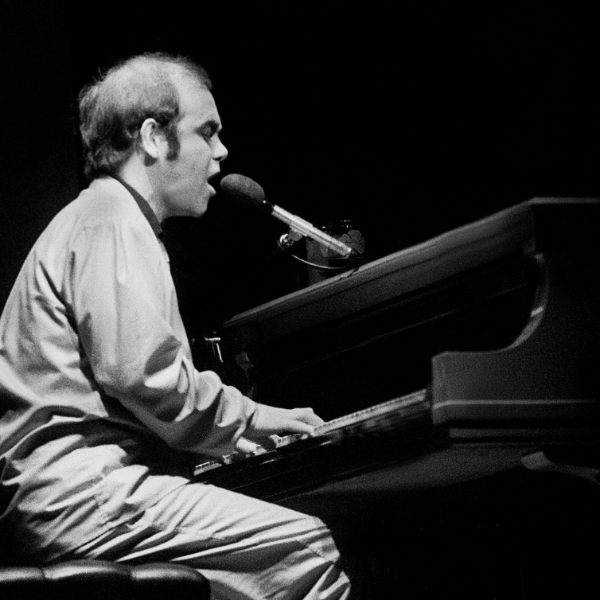
Elton John, 1971 [photo by Paul Natkin]
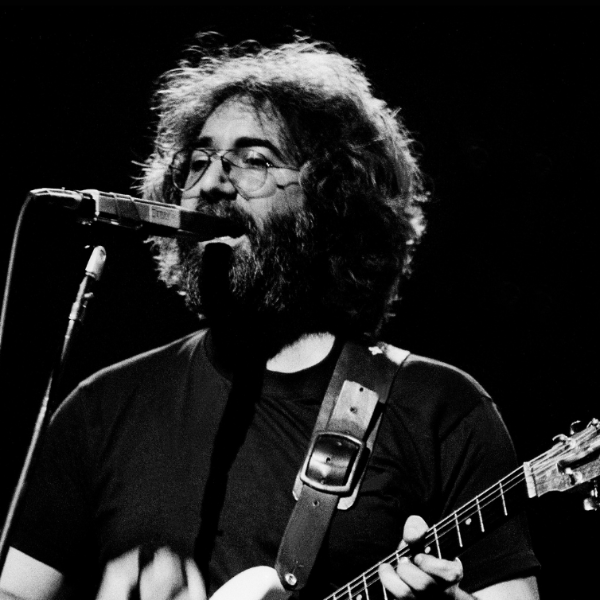
Grateful Dead, 1971 [photo by Paul Natkin]